
Introduction
Healthcare is steadily moving from reactive treatment toward preventive monitoring supported by real time data. Wearable technology plays a central role in this transition by enabling continuous health tracking outside clinical environments. Devices such as smartwatches fitness trackers biosensors and medical grade wearables provide users with ongoing insight into physiological activity that once required hospital based equipment.
Continuous health monitoring helps individuals understand their bodies more clearly while giving healthcare providers access to valuable long term data patterns. These technologies are transforming how chronic conditions are managed how early warning signs are detected and how individuals participate in their own wellness decisions.
Wearable health technology is no longer limited to athletes or fitness enthusiasts. It is now an important component of modern preventive healthcare strategies.
Understanding Continuous Health Monitoring Through Wearables
Continuous health monitoring refers to the ongoing collection of physiological data using wearable devices that track body signals throughout daily activities. Unlike occasional clinical measurements wearable systems provide dynamic information across extended time periods.
Continuous monitoring supports:
- early detection of health irregularities
- improved chronic condition management
- better lifestyle adjustment decisions
- enhanced communication with healthcare providers
- personalized health awareness
This shift toward real time monitoring allows individuals to respond more quickly to changes in health status.
Types of Wearable Devices Used in Health Monitoring
Wearable technology includes several categories of devices designed for different monitoring purposes.
Common wearable health devices include:
- smartwatches with biometric tracking capabilities
- fitness bands measuring activity levels
- wearable electrocardiogram monitors
- continuous glucose monitoring sensors
- sleep tracking headbands
- posture monitoring devices
Each device contributes to a broader understanding of personal health trends.
Heart Rate Monitoring Supporting Cardiovascular Awareness
Heart rate tracking is one of the most widely used wearable health features. Continuous monitoring helps individuals understand how physical activity stress and rest influence cardiovascular performance.
Wearable heart rate monitoring supports:
- exercise intensity optimization
- stress detection awareness
- recovery tracking after physical activity
- resting heart rate trend observation
- identification of irregular heart rhythm patterns
These insights support long term cardiovascular health management strategies.
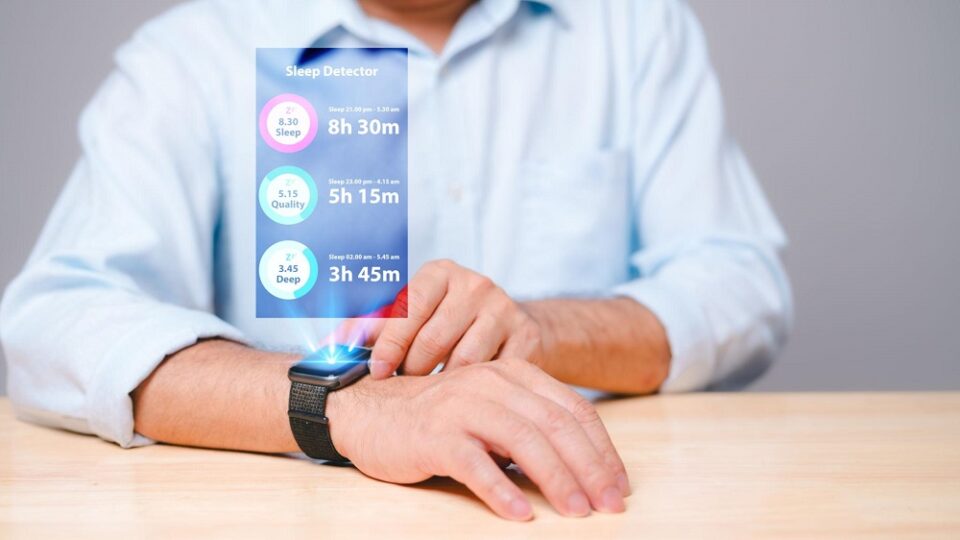
Sleep Tracking Improving Recovery and Mental Health Stability
Sleep quality plays a critical role in overall health. Wearable devices now measure sleep duration movement patterns and estimated sleep stages.
Sleep monitoring helps individuals:
- identify sleep interruptions
- understand sleep cycle consistency
- evaluate bedtime routine effectiveness
- recognize factors affecting sleep quality
- adjust daily habits to support better rest
Improved sleep awareness supports both physical recovery and emotional stability.
Activity Monitoring Encouraging Healthy Lifestyle Habits
Wearable devices track movement patterns throughout the day helping users maintain active routines.
Activity monitoring features typically include:
- step counting metrics
- calorie expenditure estimates
- distance tracking measurements
- sedentary behavior reminders
- exercise session tracking summaries
Regular activity tracking motivates healthier lifestyle choices over time.
Continuous Glucose Monitoring Supporting Diabetes Management
Continuous glucose monitoring devices represent one of the most important medical applications of wearable technology. These systems allow individuals with diabetes to track blood glucose levels without frequent finger testing.
Continuous glucose monitoring supports:
- real time glucose trend visibility
- improved insulin timing decisions
- dietary adjustment awareness
- prevention of dangerous glucose fluctuations
- improved communication with healthcare providers
This technology has significantly improved diabetes management outcomes.
Respiratory Monitoring Supporting Early Health Detection
Wearable sensors can measure respiratory rate and breathing consistency during daily activity and sleep.
Respiratory monitoring supports:
- detection of abnormal breathing patterns
- monitoring of respiratory recovery after illness
- evaluation of sleep related breathing disruptions
- support for chronic lung condition management
Early awareness of breathing irregularities helps support timely medical evaluation.
Stress Monitoring Supporting Emotional Health Awareness
Many wearable devices estimate stress levels using heart rate variability and activity patterns.
Stress monitoring features help individuals:
- recognize stress triggers
- adjust relaxation strategies
- evaluate work life balance patterns
- improve emotional regulation awareness
- support mindfulness practice routines
Understanding stress trends contributes to improved mental health outcomes.
Role of Wearables in Chronic Disease Management
Wearable devices support individuals managing long term health conditions by providing continuous physiological feedback.
Chronic disease management benefits include:
- improved medication timing awareness
- early symptom pattern recognition
- enhanced communication with healthcare providers
- reduced hospital visit frequency
- better lifestyle modification support
Continuous monitoring improves condition stability across time.
Remote Patient Monitoring Supporting Healthcare Access
Remote monitoring programs allow healthcare providers to review wearable device data between appointments. This improves access to care for individuals living far from medical facilities.
Remote monitoring supports:
- early intervention planning
- treatment adjustment recommendations
- reduced emergency visits
- improved follow up care continuity
- personalized treatment strategy development
Healthcare systems benefit from improved patient engagement.
Role of Artificial Intelligence in Wearable Health Monitoring
Artificial intelligence enhances wearable technology by analyzing large volumes of physiological data and identifying patterns that may indicate health risks.
AI supported wearable systems provide:
- predictive health trend alerts
- anomaly detection insights
- personalized wellness recommendations
- activity optimization guidance
- early warning signals for potential conditions
AI improves the accuracy and usefulness of wearable monitoring systems.
Supporting Preventive Healthcare Through Daily Monitoring
Preventive healthcare focuses on identifying risks before symptoms appear. Wearable technology strengthens prevention strategies by enabling consistent health observation.
Preventive benefits include:
- identification of gradual physiological changes
- support for healthier daily routines
- monitoring of cardiovascular fitness improvements
- reinforcement of sleep quality awareness
- early recognition of unusual patterns
Daily monitoring encourages proactive health decisions.
Integration With Mobile Health Applications
Wearable devices often connect with mobile health applications that organize collected data into accessible dashboards.
Mobile integration supports:
- trend visualization tools
- personalized health insights
- goal tracking features
- reminder notifications for activity
- data sharing with healthcare professionals
Integration improves usability and engagement with monitoring systems.
Role of Wearable Technology in Fitness Optimization
Athletes and recreational exercisers benefit from wearable technology that supports performance evaluation and training adjustments.
Fitness optimization features include:
- heart rate zone tracking
- recovery time estimation
- exercise intensity evaluation
- hydration reminder alerts
- training progress visualization
These features improve exercise efficiency and safety.
Data Security Considerations in Wearable Health Monitoring
Because wearable devices collect sensitive health information data protection remains an important consideration.
Security measures supporting safe monitoring include:
- encrypted data transmission systems
- secure device authentication methods
- transparent privacy policy communication
- user controlled data sharing preferences
- regular software security updates
Strong privacy protections support trust in wearable technology adoption.
Role of Wearables in Supporting Aging Populations
Wearable health monitoring provides important benefits for older adults who may require additional support managing health risks.
Wearable technology supports aging populations through:
- fall detection alerts
- medication reminder notifications
- heart rhythm monitoring features
- activity level tracking
- emergency contact communication integration
These features improve independence and safety for older individuals.
Workplace Health Monitoring Applications
Some organizations use wearable technology to support employee wellness programs. These initiatives encourage healthier routines and reduce long term health risks.
Workplace monitoring programs support:
- physical activity engagement initiatives
- stress awareness programs
- ergonomic posture improvement guidance
- fatigue management awareness
- preventive health participation incentives
Healthy employees contribute to improved workplace productivity.
Challenges Associated With Wearable Health Monitoring Adoption
Despite strong benefits wearable technology adoption includes several challenges.
Common challenges include:
Data Accuracy Variability
Consumer grade devices may differ in measurement precision compared with clinical equipment.
User Engagement Consistency
Some users discontinue monitoring over time without sustained motivation.
Privacy Concerns
Users expect transparency regarding how their health data is stored and shared.
Device Cost Considerations
Advanced wearable monitoring systems may involve financial investment.
Addressing these concerns supports broader adoption.
Future Trends Shaping Wearable Health Monitoring Technology
Wearable technology continues evolving rapidly as sensor capabilities and digital health infrastructure improve.
Emerging developments include:
- integration with digital health records
- expansion of noninvasive biomarker monitoring
- improved battery efficiency supporting longer use
- advanced predictive analytics capabilities
- expanded monitoring for neurological conditions
- personalized treatment support platforms
These innovations will strengthen wearable technology impact on preventive healthcare.
Conclusion
Wearable technology supporting continuous health monitoring represents an important advancement in modern healthcare. By providing real time insight into physiological activity these devices empower individuals to participate more actively in managing their wellness while supporting healthcare providers with valuable long term data patterns.
As wearable monitoring systems continue improving in accuracy connectivity and predictive capability they will play an increasingly important role in preventive medicine chronic disease management and personalized healthcare strategies. Continuous monitoring helps individuals make informed health decisions and supports better long term outcomes across diverse populations.
Frequently Asked Questions
1. How often should wearable health devices be calibrated for accurate monitoring
Some medical grade wearables require periodic calibration while many consumer devices adjust automatically through software updates and sensor optimization systems.
2. Can wearable health monitoring detect early signs of illness before symptoms appear
Wearables can identify unusual physiological trends that may indicate early changes although clinical evaluation remains necessary for diagnosis.
3. Are wearable health devices suitable for children and adolescents
Some devices are designed specifically for younger users but monitoring features and usage guidelines vary depending on age group.
4. How long do wearable health monitoring devices typically store collected data
Data storage duration depends on device design and connected application settings which often allow long term trend tracking.
5. Can wearable monitoring support recovery after surgery
Yes some healthcare providers use wearable monitoring to track recovery progress and physical activity levels following procedures.
6. Do wearable devices function without smartphone connectivity
Many devices store data locally but smartphone connectivity improves access to analytics features and long term trend visualization.
7. How do wearable monitoring systems support hydration awareness
Some devices estimate hydration needs based on activity levels temperature exposure and physiological indicators to support healthier routines
