
Introduction
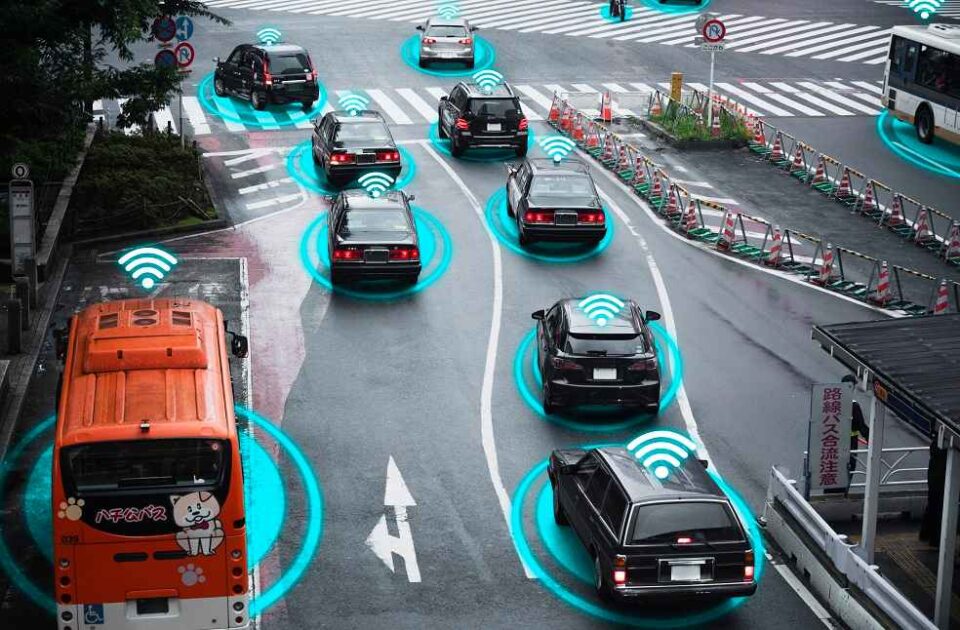
Vehicles are no longer isolated mechanical systems. Modern automobiles operate as connected digital platforms that continuously exchange information with cloud infrastructure. Cloud integration inside next generation vehicles is transforming how drivers interact with transportation technology, how manufacturers maintain vehicles after purchase, and how mobility ecosystems evolve across cities and highways.
Cloud connected vehicles support real time navigation updates predictive maintenance diagnostics remote software upgrades and personalized driving experiences. These capabilities are redefining expectations around safety convenience performance and vehicle lifecycle management.
As automotive manufacturers continue investing in connectivity platforms cloud integration is becoming a core foundation of intelligent transportation systems and future mobility innovation.
Understanding Cloud Integration in Connected Vehicles
Cloud integration refers to the connection between vehicle onboard systems and remote computing platforms that store process and analyze large volumes of data. Instead of relying entirely on local vehicle hardware modern vehicles now access cloud resources to improve functionality and responsiveness.
Cloud connected vehicles can:
- transmit diagnostic data to service platforms
- receive navigation updates in real time
- synchronize infotainment services across devices
- support predictive maintenance alerts
- enable remote vehicle monitoring capabilities
This continuous communication creates a dynamic relationship between vehicles drivers and digital infrastructure.
Role of Telematics in Cloud Connected Vehicle Systems
Telematics systems act as communication bridges between vehicles and cloud environments. These systems collect operational data and transmit it securely to remote servers for processing.
Telematics platforms typically monitor:
- engine performance indicators
- fuel efficiency metrics
- battery health status
- vehicle location information
- driver behavior patterns
Cloud platforms analyze this data to support maintenance planning safety monitoring and service optimization.
Telematics integration strengthens both driver awareness and manufacturer support capabilities.
Real Time Navigation Supported by Cloud Platforms
Navigation systems inside next generation vehicles rely heavily on cloud based mapping intelligence. Unlike traditional offline navigation tools cloud connected systems continuously adjust routes based on current conditions.
Cloud supported navigation provides:
- live traffic condition updates
- dynamic route optimization suggestions
- road hazard alerts
- parking availability information
- weather related travel adjustments
These capabilities improve travel efficiency and reduce uncertainty during long distance trips.
Real time navigation intelligence helps drivers make better decisions on the road.
Over the Air Software Updates Enhancing Vehicle Performance
Cloud integration enables vehicles to receive software updates remotely without requiring dealership visits. Over the air updates improve system functionality and security across the vehicle lifecycle.
These updates support:
- infotainment feature upgrades
- battery performance optimization
- safety system improvements
- bug fixes and stability enhancements
- cybersecurity patch deployment
Remote updates extend vehicle value by keeping systems current long after purchase.
Manufacturers can improve functionality continuously rather than relying on fixed configurations.
Predictive Maintenance Through Cloud Based Diagnostics
Predictive maintenance represents one of the most important benefits of cloud connected vehicle platforms. Vehicles can transmit performance indicators to cloud analytics engines that detect early warning signs of mechanical issues.
Predictive diagnostics help identify:
- abnormal engine performance patterns
- battery degradation trends
- brake system wear indicators
- tire pressure fluctuations
- cooling system irregularities
Early detection reduces unexpected breakdown risks and improves vehicle reliability.
Drivers benefit from proactive service scheduling recommendations.
Personalized Infotainment Experiences Supported by Cloud Services
Cloud platforms enable vehicles to deliver personalized infotainment experiences based on driver preferences and usage patterns.
Personalized infotainment services include:
- synchronized music streaming libraries
- voice assistant integration
- driver profile recognition
- location based content suggestions
- connected calendar reminders
These features create continuity between personal devices and vehicle environments.
Personalization improves comfort and engagement during travel.
Role of Artificial Intelligence in Cloud Connected Vehicles
Artificial intelligence platforms process vehicle generated data inside cloud environments to support advanced decision making capabilities.
AI supported services include:
- driver assistance system optimization
- voice command interpretation
- predictive route planning
- energy consumption forecasting
- anomaly detection in vehicle systems
AI improves vehicle responsiveness while supporting safer driving behavior.
Cloud computing enables these models to operate at large scale across vehicle fleets.
Vehicle to Cloud Communication Supporting Fleet Management
Fleet operators rely heavily on cloud integration to monitor vehicle performance across multiple locations. Cloud connected fleet platforms support operational efficiency and cost control.
Fleet management benefits include:
- centralized vehicle tracking dashboards
- driver performance monitoring insights
- fuel consumption optimization analytics
- maintenance scheduling automation
- route planning coordination tools
Cloud integration improves oversight across transportation networks.
Fleet operators gain better control over asset utilization.
Enhancing Electric Vehicle Performance Through Cloud Integration
Electric vehicles depend strongly on cloud connectivity for energy optimization and charging infrastructure coordination.
Cloud supported EV features include:
- battery condition monitoring
- charging station availability updates
- route planning based on charging requirements
- energy consumption prediction
- remote charging management
These services improve confidence among electric vehicle drivers.
Cloud connectivity helps address range planning challenges effectively.
Role of Cloud Integration in Autonomous Driving Development
Autonomous vehicle systems rely heavily on cloud infrastructure for data processing model training and simulation support.
Cloud platforms assist autonomous driving through:
- large scale sensor data storage
- driving scenario simulation environments
- machine learning model training pipelines
- safety validation testing frameworks
- mapping intelligence updates
Cloud integration accelerates development of automated driving technologies.
Vehicles benefit from continuous improvement through shared learning across fleets.
Cybersecurity Considerations in Cloud Connected Vehicles
Cloud integration introduces new cybersecurity requirements because vehicles exchange sensitive operational data across networks.
Important security measures include:
- encrypted communication channels
- secure authentication frameworks
- intrusion detection monitoring systems
- software update verification protocols
- anomaly detection analytics
Strong cybersecurity practices protect both drivers and vehicle infrastructure.
Manufacturers invest heavily in secure connectivity platforms to maintain trust.
Role of Edge Computing in Supporting Cloud Integration
Edge computing complements cloud infrastructure by enabling data processing directly inside vehicles before transmitting information to remote platforms.
Edge computing supports:
- reduced network latency
- faster response times for safety alerts
- efficient bandwidth usage
- localized decision making capabilities
Combining edge processing with cloud analytics creates balanced performance architecture.
Vehicles benefit from both speed and scalability.
Smart Mobility Ecosystems Enabled by Vehicle Cloud Connectivity
Cloud connected vehicles are becoming central components of broader smart mobility ecosystems. These ecosystems connect vehicles with infrastructure transportation services and city management platforms.
Connected mobility systems support:
- intelligent traffic signal coordination
- shared mobility platform integration
- urban congestion monitoring
- emergency response coordination
- infrastructure maintenance planning
Cloud integration strengthens coordination between vehicles and surrounding environments.
Cities benefit from improved transportation efficiency.
Data Analytics Supporting Automotive Innovation
Cloud platforms process massive volumes of vehicle data that support continuous product improvement.
Manufacturers use analytics insights to:
- refine safety system algorithms
- improve vehicle energy efficiency
- optimize user interface design
- enhance predictive maintenance accuracy
- support next generation vehicle architecture planning
Data driven innovation accelerates automotive technology development.
Cloud analytics enables large scale performance evaluation across global fleets.
Challenges Associated with Cloud Integration in Vehicles
Despite its advantages cloud integration introduces several technical and operational challenges.
Common challenges include:
Network Connectivity Limitations
Vehicles traveling through remote areas may experience reduced access to cloud services.
Data Privacy Concerns
Drivers expect transparent policies regarding how vehicle data is collected and used.
Infrastructure Investment Requirements
Manufacturers must invest in large scale cloud architecture to support connectivity platforms.
Software Lifecycle Management Complexity
Maintaining compatibility across multiple vehicle generations requires careful planning.
Addressing these challenges supports successful implementation.
Future Trends Shaping Cloud Connected Vehicle Platforms
Cloud integration will continue evolving alongside advances in connectivity infrastructure and intelligent transportation technologies.
Emerging trends include:
- expansion of vehicle digital twin platforms
- increased integration with smart city infrastructure
- advanced driver personalization ecosystems
- real time traffic coordination networks
- predictive insurance risk assessment platforms
- expanded vehicle subscription service models
These developments will further strengthen connected vehicle capabilities.
Conclusion
Cloud integration inside next generation vehicles is transforming automobiles into intelligent connected mobility platforms. By supporting predictive diagnostics personalized infotainment real time navigation over the air updates and fleet management coordination cloud connectivity improves both driver experience and vehicle performance across the entire lifecycle.
As connectivity infrastructure continues expanding cloud platforms will play an increasingly important role in shaping autonomous driving systems electric vehicle ecosystems and smart transportation networks. Vehicles are becoming digital service environments that evolve continuously through cloud supported innovation.
Frequently Asked Questions
1. How does cloud integration improve long term vehicle ownership experience
Cloud connectivity allows vehicles to receive updates diagnostics and feature enhancements that extend functionality over time.
2. Can cloud connected vehicles operate without continuous internet access
Yes many systems operate locally but certain advanced features require periodic connectivity for full functionality.
3. How do manufacturers manage cloud storage for vehicle generated data
Manufacturers use distributed cloud infrastructure to securely store and process vehicle telemetry and performance information.
4. Does cloud integration affect vehicle resale value
Vehicles with advanced connectivity features may retain stronger value because software capabilities remain updatable.
5. Are cloud connected vehicles compatible with smart home ecosystems
Many next generation vehicles support integration with home automation platforms for remote monitoring and control functions.
6. How does cloud connectivity support emergency response services
Connected vehicles can transmit location and diagnostic data automatically during incidents to assist emergency responders.
7. Can cloud integration help reduce vehicle insurance costs
Usage based insurance programs sometimes rely on connected vehicle data to evaluate driving behavior and adjust pricing models accordingly
